



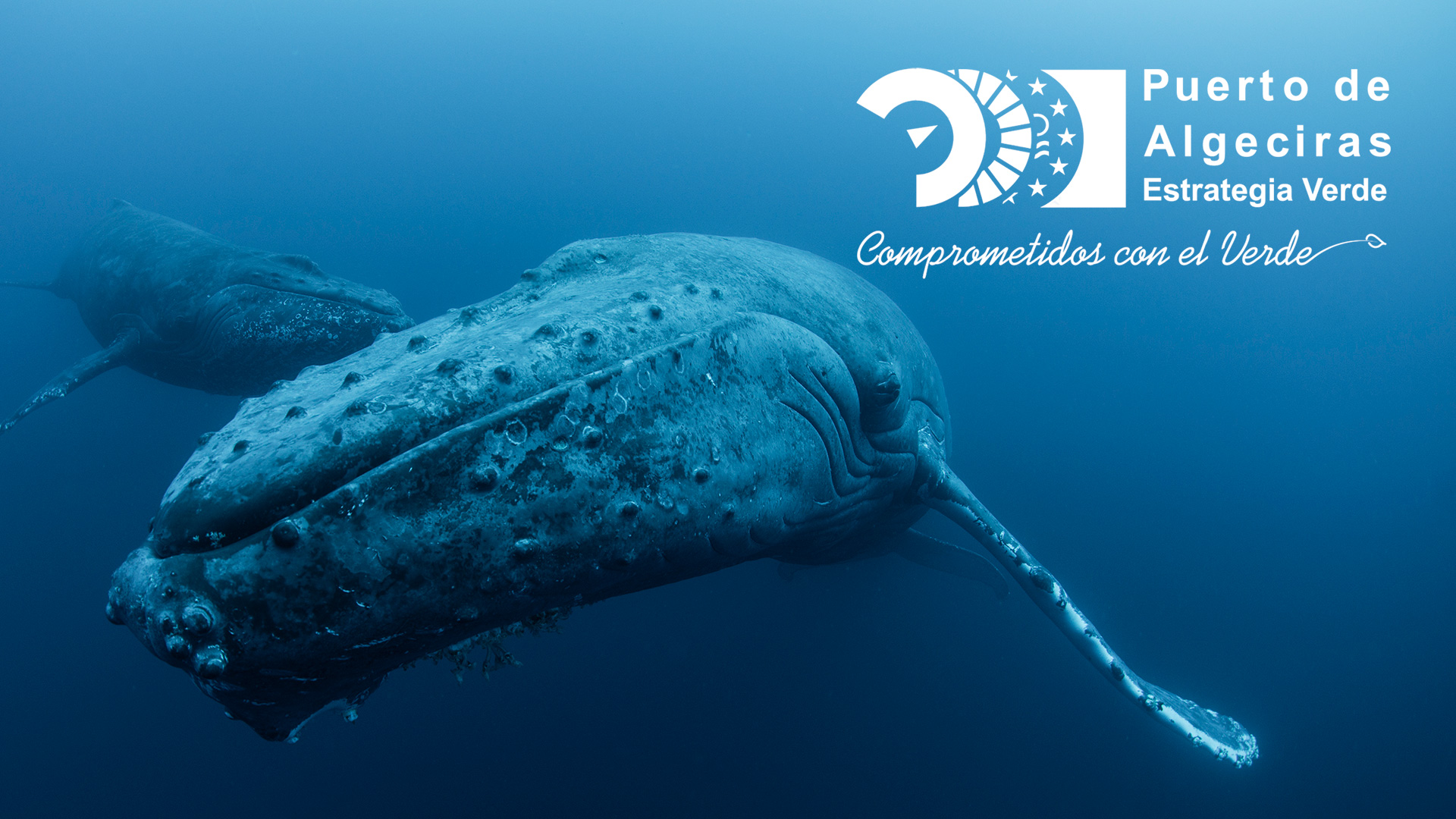
Green Strategy Algeciras Port
Algeciras Port Authority Reinforces Environmental Commitment Through Green Strategy
The Port Authority of the Bay of Algeciras (APBA) has reaffirmed its dedication to sustainable port operations, anchoring its efforts in the institution’s Green Strategy framework. The initiative reflects a broader push across the port sector to balance operational growth with environmental responsibility.
Handling substantial maritime traffic at both the Bay of Algeciras and Tarifa facilities, APBA oversees an ecosystem where terminal operators, shipping lines, and logistics providers interact daily — often near residential areas and ecologically sensitive zones. This proximity has pushed the port authority to adopt what it describes as a transversal approach to sustainability, weaving environmental considerations into every layer of its operations rather than treating them as a separate function.
International standards as a benchmark
APBA’s environmental roadmap doesn’t operate in isolation. The strategy ties directly into the UN’s 2030 Agenda and reflects the port authority’s membership in the AIVP (World Network of Port Cities), which requires signatories to meet ten specific sustainability benchmarks. The port has also embraced guidelines from ESPO, Europe’s leading ports association, positioning itself among peer facilities pursuing similar green credentials.
Legal compliance is treated as a floor rather than a ceiling — the authority states its intention to surpass minimum regulatory requirements whenever feasible from both a technical and financial standpoint.
Key pillars of the strategy
Several priorities stand out in APBA’s approach:
- Risk-based environmental management. The port conducts ongoing studies to flag potential hazards, capture opportunities for positive impact, and keep tabs on aspects of its operations with meaningful environmental consequences.
- Biodiversity and pollution control. APBA works alongside relevant environmental authorities to monitor how external companies operating within port grounds manage their ecological footprint.
- Resource efficiency. Energy-saving measures and climate adaptation planning form part of the authority’s toolkit, backed by dedicated technical instruments.
- Community engagement. The port has committed to publishing annual Environmental Statements and Sustainability Reports, aiming to keep stakeholders — from local businesses to residents of Campo de Gibraltar — informed about its environmental track record.
- Collaborative outreach. Beyond its own operations, APBA is fostering partnerships with public institutions and private companies that have signed on to the Green Strategy, extending environmental awareness across the wider port community.
Looking ahead
The authority describes this as a continuous process rather than a fixed target, with its Environmental Management System designed to evolve based on measurable objectives. Results from that system are expected to directly inform future decision-making, and APBA has pledged to allocate the resources needed to keep the policy relevant over time.